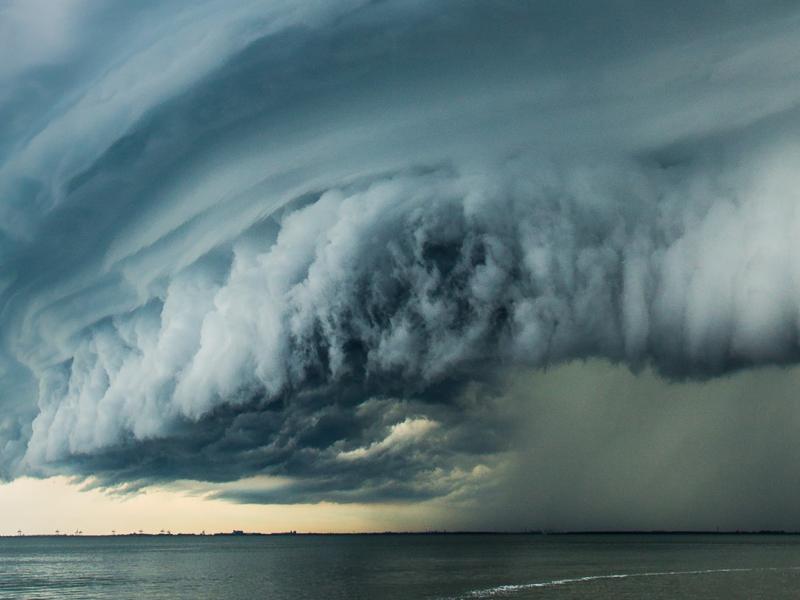
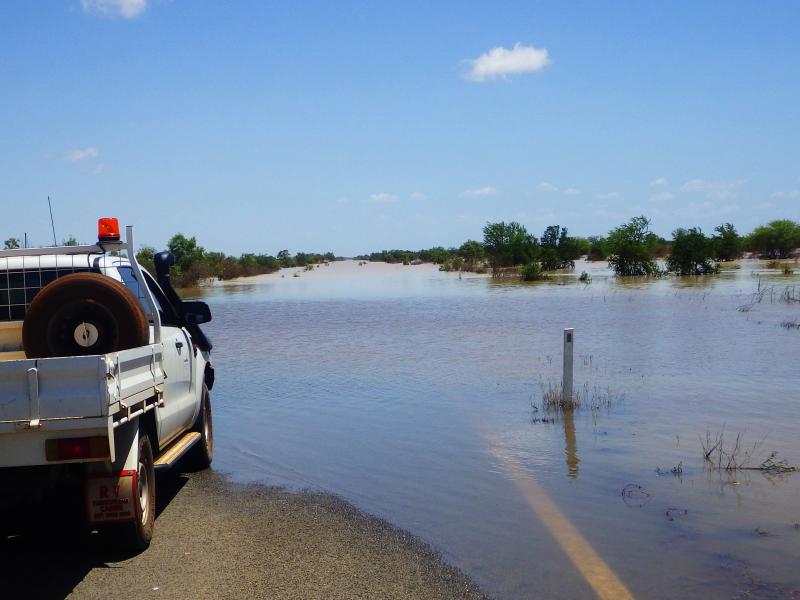
Severe weather is part of life in Queensland and when disasters happen, small businesses can feel the impacts quickly. Power outages, damaged stock, staff shortages, road closures and supply chain disruptions can all affect day-to-day operations.
Being prepared before severe weather arrives can help reduce downtime, protect your business and support Get Ready Queensland is helping small businesses take simple steps to prepare year-round.
Know the three steps to get your business ready for severe weather.

1. Know Your Risk
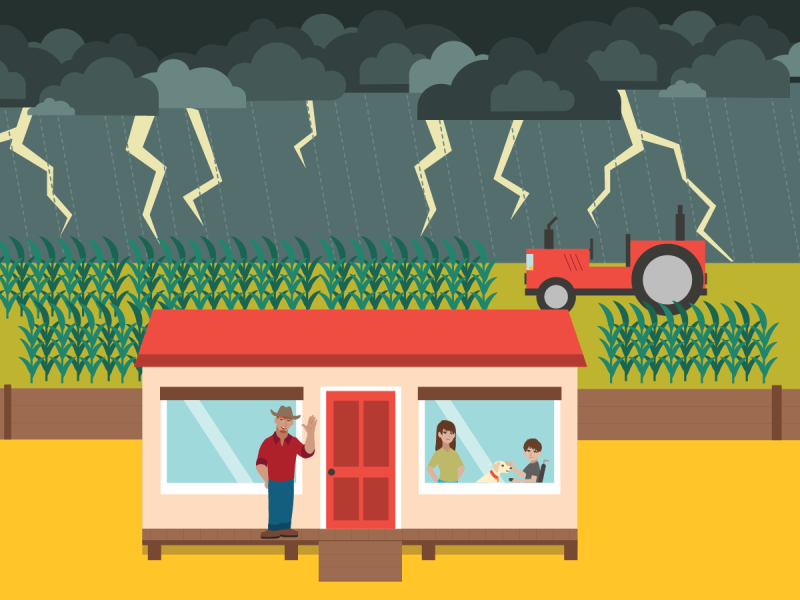
Every business is different, so understanding your specific risks is the first step in preparing for severe weather.
Take some time to think about how disasters could affect your business operations, staff, customers and suppliers.
Consider:
Your location:
Is your business in a flood-prone area, cyclone zone or bushfire risk area?
Could roads be cut off during flooding, affecting staff, suppliers or customers?
Are there nearby bushland areas that could increase bushfire risk?
Check local flood maps, hazard information and weather patterns to better understand your risk.
Your industry:
Different industries face different challenges during disasters.
For example, does your business rely on perishable goods, specialised equipment, refrigeration or time-sensitive services?
Your dependencies:
Severe weather can affect suppliers, contractors and delivery networks.
Consider whether you could source alternative suppliers or adjust operations if disruptions occur.
Hover over the interactive dots below or expand the checklist to explore common disaster scenarios and practical ways to protect your business, staff and operations.
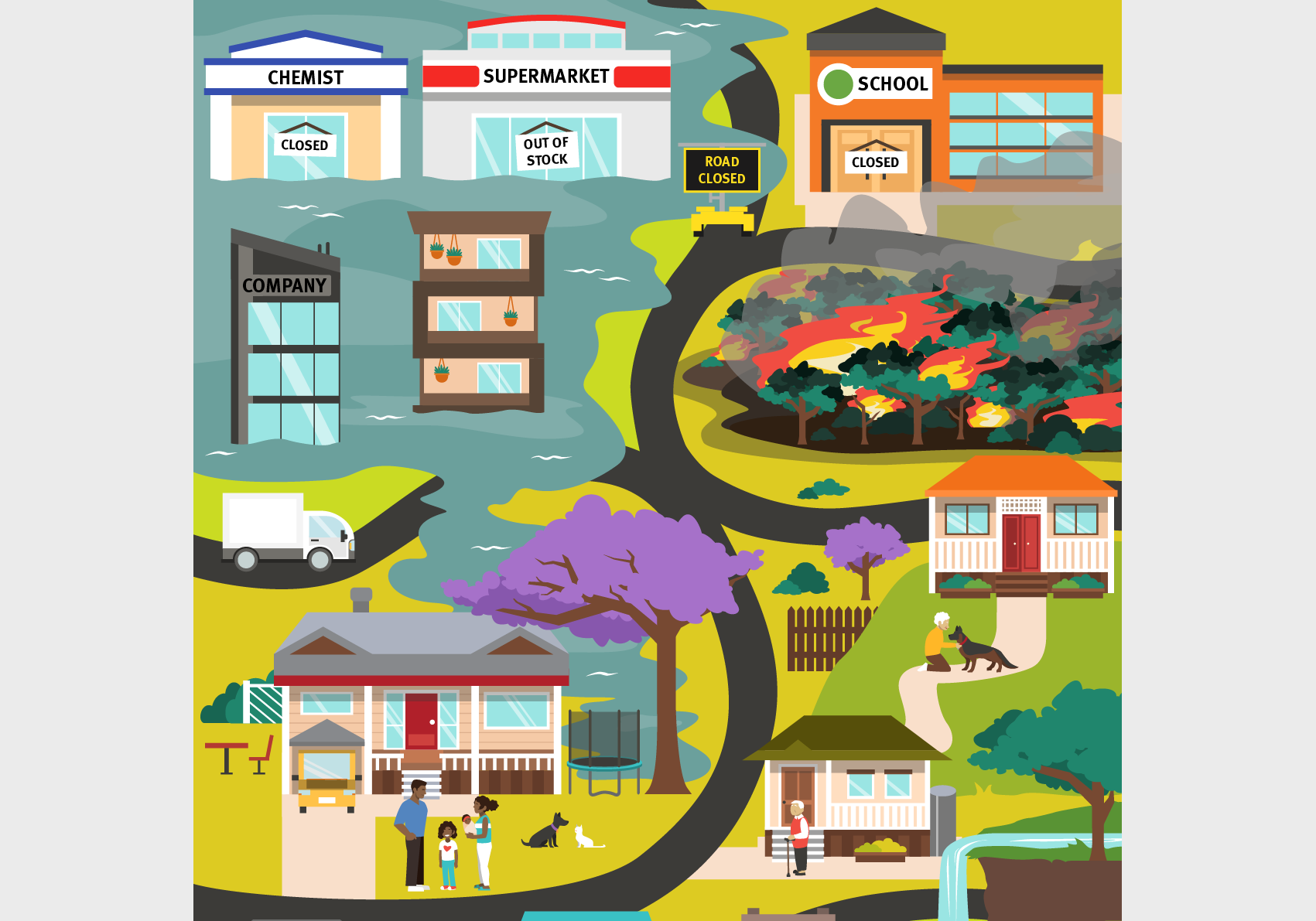
Depending on your physical location/s, you may be at risk of different types of natural disasters such as flood, bushfire, cyclone etc.

Your suppliers may also be impacted by severe weather, which could affect their ability to provide goods and services during and after a disaster.

Consider how severe weather may affect your customers and the services they rely on. Planning alternative ways to deliver products or services during a disaster can help support your customers while reducing disruption to your business.

The way you deliver goods and services can also affect how well your business operates during severe weather. For example, road closures or transport disruptions may impact deliveries, access to customers or the movement of supplies.
Severe weather can prevent employees from safely reaching the workplace, which may disrupt normal operations. Temporary business closures can also affect staff wellbeing and income, so it’s important to plan for these situations in advance.
If your business employs foreign workers, consider whether they are familiar with local disaster risks and know how to respond safely. Clear communication and simple instructions can make a significant difference.
Managers and staff should also understand when and how to evacuate safely from the workplace, and what steps to take if they need to work remotely or pause operations.

Make sure you have systems in place to regularly back up important data and store it securely.
It’s also a good idea to keep spare keys and security access codes accessible in case of an emergency, so you can maintain or quickly restore access to your business premises if needed.

Ensure you have a system in place to keep important records accessible during an emergency. This may include employee, supplier and customer contact details, insurance information, product lists and specifications, as well as up-to-date stock and equipment inventories.

How will a disaster impact workplace conditions, and what measures will you put in place to keep your employees and customers safe?
An emergency kit should include essential items to help you prepare for evacuation during a disaster and support the safety of all employees in your workplace. It should also contain protective supplies and equipment that may be needed during an emergency response.

Your insurance policy should reflect the risks you’ve identified for your business, ensuring you have appropriate cover in place for likely hazards. It’s important to review your policy regularly to make sure it remains up to date as your business changes and new risks emerge.
Depending on your physical location/s, you may be at risk of different types of natural disasters such as flood, bushfire, cyclone etc.
Your suppliers may also be impacted by severe weather, which could affect their ability to provide goods and services during and after a disaster.
Consider how severe weather may affect your customers and the services they rely on. Planning alternative ways to deliver products or services during a disaster can help support your customers while reducing disruption to your business.
The way you deliver goods and services can also affect how well your business operates during severe weather. For example, road closures or transport disruptions may impact deliveries, access to customers or the movement of supplies.
Severe weather can prevent employees from safely reaching the workplace, which may disrupt normal operations. Temporary business closures can also affect staff wellbeing and income, so it’s important to plan for these situations in advance.
If your business employs foreign workers, consider whether they are familiar with local disaster risks and know how to respond safely. Clear communication and simple instructions can make a significant difference.
Managers and staff should also understand when and how to evacuate safely from the workplace, and what steps to take if they need to work remotely or pause operations.
Make sure you have systems in place to regularly back up important data and store it securely.
It’s also a good idea to keep spare keys and security access codes accessible in case of an emergency, so you can maintain or quickly restore access to your business premises if needed.
Ensure you have a system in place to keep important records accessible during an emergency. This may include employee, supplier and customer contact details, insurance information, product lists and specifications, as well as up-to-date stock and equipment inventories.
How will a disaster impact workplace conditions, and what measures will you put in place to keep your employees and customers safe?
An emergency kit should include essential items to help you prepare for evacuation during a disaster and support the safety of all employees in your workplace. It should also contain protective supplies and equipment that may be needed during an emergency response.
Your insurance policy should reflect the risks you’ve identified for your business, ensuring you have appropriate cover in place for likely hazards. It’s important to review your policy regularly to make sure it remains up to date as your business changes and new risks emerge.
Depending on your physical location/s, you may be at risk of different types of natural disasters such as flood, bushfire, cyclone etc.
Your suppliers may also be impacted by severe weather, which could affect their ability to provide goods and services during and after a disaster.
Consider how severe weather may affect your customers and the services they rely on. Planning alternative ways to deliver products or services during a disaster can help support your customers while reducing disruption to your business.
The way you deliver goods and services can also affect how well your business operates during severe weather. For example, road closures or transport disruptions may impact deliveries, access to customers or the movement of supplies.
Severe weather can prevent employees from safely reaching the workplace, which may disrupt normal operations. Temporary business closures can also affect staff wellbeing and income, so it’s important to plan for these situations in advance.
If your business employs foreign workers, consider whether they are familiar with local disaster risks and know how to respond safely. Clear communication and simple instructions can make a significant difference.
Managers and staff should also understand when and how to evacuate safely from the workplace, and what steps to take if they need to work remotely or pause operations.
Make sure you have systems in place to regularly back up important data and store it securely.
It’s also a good idea to keep spare keys and security access codes accessible in case of an emergency, so you can maintain or quickly restore access to your business premises if needed.
Ensure you have a system in place to keep important records accessible during an emergency. This may include employee, supplier and customer contact details, insurance information, product lists and specifications, as well as up-to-date stock and equipment inventories.
How will a disaster impact workplace conditions, and what measures will you put in place to keep your employees and customers safe?
An emergency kit should include essential items to help you prepare for evacuation during a disaster and support the safety of all employees in your workplace. It should also contain protective supplies and equipment that may be needed during an emergency response.
Your insurance policy should reflect the risks you’ve identified for your business, ensuring you have appropriate cover in place for likely hazards. It’s important to review your policy regularly to make sure it remains up to date as your business changes and new risks emerge.
2. Make a plan
A business continuity plan is your roadmap for staying operational during and after a disaster. It doesn’t need to be complex, but it should clearly outline:
Your priorities: Identify what’s most important to keep your business running.
Roles and responsibilities: Assign clear roles to your team so everyone knows what to do during an emergency.
Communication plans: Decide how you’ll keep staff, customers, and suppliers informed before, during, and after a severe weather event. Include backup communication methods in case phones or internet go down.
Operational strategies: Plan for how you will operate if conditions change. For example:
What will you do if you lose power or internet?
How will you manage if your premises are not accessible?
Can your team work remotely or from an alternative location?
When severe weather is forecast, activate your plan early. Make sure your team is trained, know their roles, and understand how to stay safe. Regularly review and update your plan to ensure it stays relevant.
View the following video from Business Queensland to find out more and complete a business continuity plan (BCP) that outlines the steps your business needs to take before, during and after severe weather.


3. Pack an emergency kit to keep your premises and staff safe
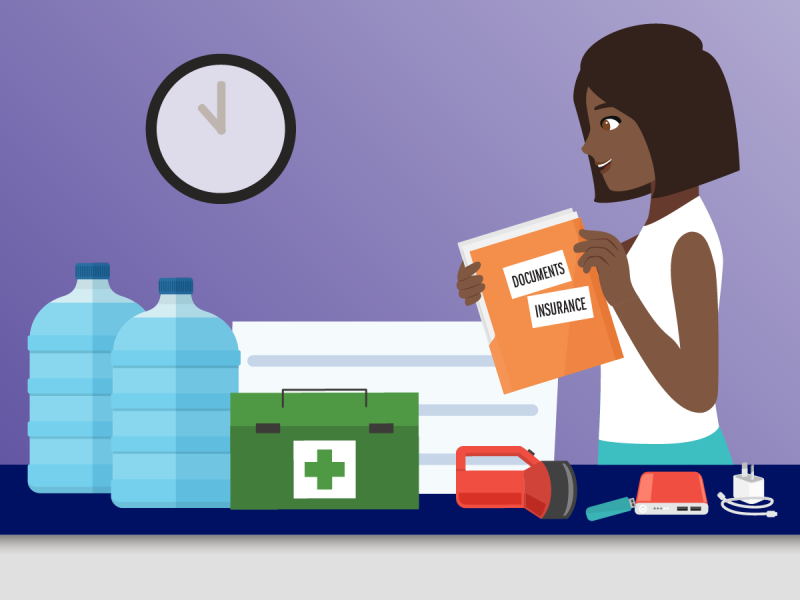
Being prepared means having the right tools and resources ready to support your business during severe weather or a disaster situation.
Keep your emergency kit in a clearly accessible location so it can be quickly retrieved when needed. Make sure your business emergency plan records what is in the kit and assign someone responsibility for checking and updating it regularly, so items remain current and usable.
Hover over the interactive dots below or expand the checklist to see what you should include.
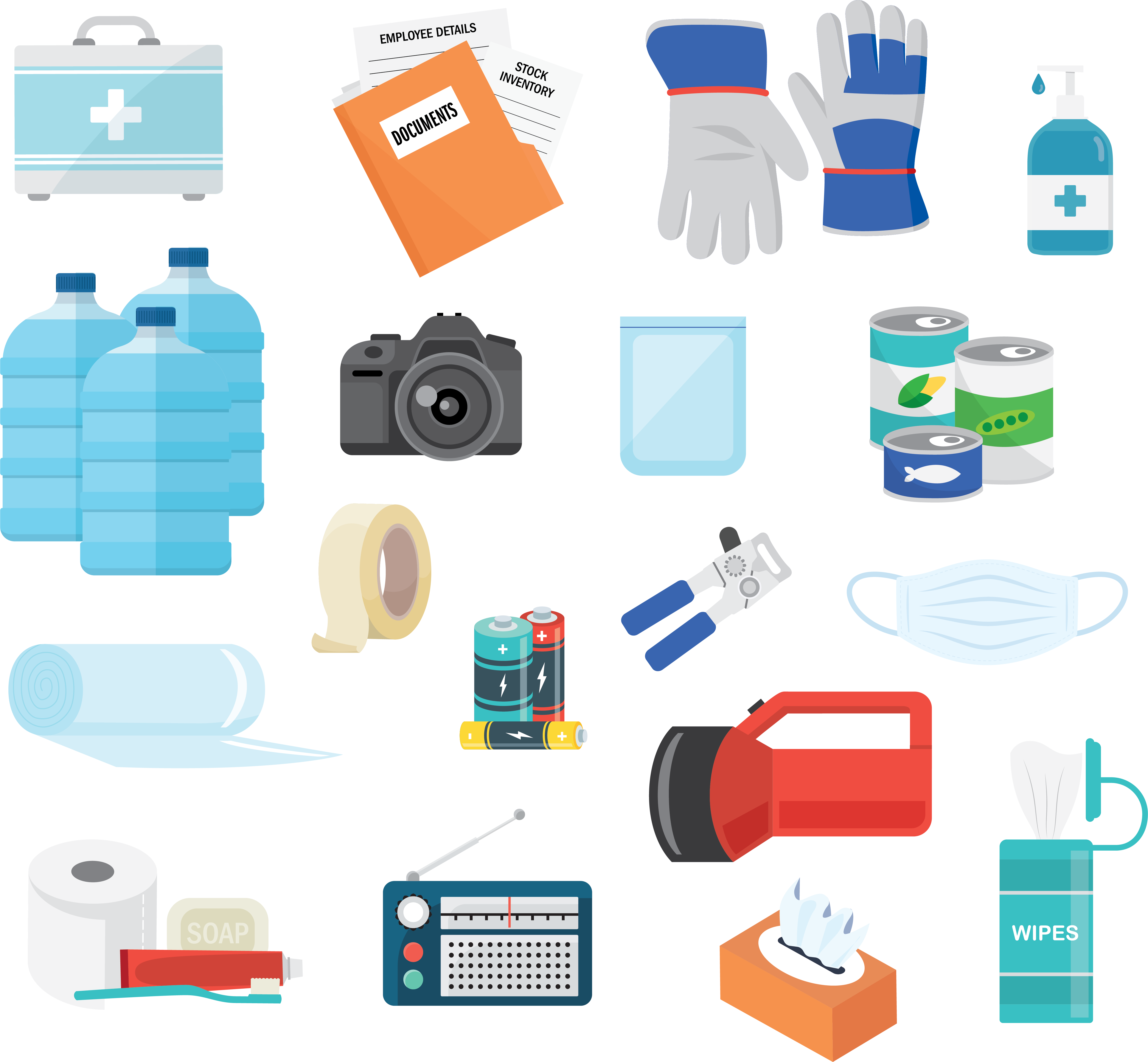
A properly equipped first aid kit can save lives. Make sure you include a first aid manual.

Your emergency kit should contain up to date copies of important documents. These can be photocopies kept in a waterproof bag, scanned copies stored on a USB flash drive or you could upload to the cloud. Business Queensland suggests the following plans, lists and documents: business continuity plan, evacuation plan, building site plan (useful during recovery operations), list of employee contact details, emergency services contacts, alerts and warnings services, list of customer and supplier details, product lists and specifications, latest stock and equipment inventory, insurance policies, financial and banking records, back-up of all data on USB memory sticks or external drives and spare keys or security codes.
Your emergency kit should include up-to-date copies of key business documents to help you respond quickly and recover after a disaster.
These can be photocopies stored in a waterproof bag, digital copies saved on a USB, or securely backed up in the cloud.
Business Queensland suggests including the following plans, lists and documents:
- Business continuity plan
- Evacuation plan
- Building or site plan (useful for recovery operations)
- Employee contact details
- Emergency services contacts and alert/warning information
- Customer and supplier contact details
- Product lists and specifications
- Current stock and equipment inventory
- Insurance policies
- Financial and banking records
- Back-ups of all business data (USB drives or external hard drives)
- Spare keys and security access codes
Keeping these documents current and easily accessible will help your business act quickly and stay organised during an emergency.

A pair of sturdy gloves will help prevent injury and infection when handling rubbish and debris.

Include at least 10 litres of drinking water per person in your emergency kit as a minimum.
You may need to store more depending on your circumstances, especially if anyone in your business is more vulnerable to dehydration or if you operate in a hot or dry climate.
Use food-grade jerry cans or bottles to store drinking water, and plan ahead based on how many people you may need to support during an emergency.
To keep your water safe and fresh, rotate your supply every two to three months by emptying it onto plants and refilling with clean drinking water.

A camera is useful to record any damage for insurance claims post-disaster.

To protect important documents, hard drives and USBs from water damage.

Make a three-day menu plan to cover all your staff and store a supply of non-perishable food in your kit. Include non-perishable snacks, such as muesli bars.

To protect equipment and assets.

To brace windows during a cyclone or severe storm.

Make sure you have enough spare batteries to last three days. Ensure you have packed the correct battery type and quantities required for your torch, radio and any other equipment.

While many canned foods now have ring pulls, some still require a can opener, so it’s important to include one in your emergency kit.

Include toiletries you will need for three days such as toilet paper, toothpaste, toothbrushes, soap, shampoo, personal hygiene products, sunscreen and insect repellent.

A battery powered radio is one of the most reliable items in a disaster, especially during power and internet loss.

Even if your business is not damaged in a disaster, electricity may not be available and you could be left in the dark for quite a while, so include a torch (or two) or a battery powered lantern.

Pack wipes for your business emergency kit.
Pack hand sanitiser for your business emergency kit.
Pack face masks for your business emergency kit.
Pack tissues in your business emergency kit.
A properly equipped first aid kit can save lives. Make sure you include a first aid manual.
Your emergency kit should contain up to date copies of important documents. These can be photocopies kept in a waterproof bag, scanned copies stored on a USB flash drive or you could upload to the cloud. Business Queensland suggests the following plans, lists and documents: business continuity plan, evacuation plan, building site plan (useful during recovery operations), list of employee contact details, emergency services contacts, alerts and warnings services, list of customer and supplier details, product lists and specifications, latest stock and equipment inventory, insurance policies, financial and banking records, back-up of all data on USB memory sticks or external drives and spare keys or security codes.
Your emergency kit should include up-to-date copies of key business documents to help you respond quickly and recover after a disaster.
These can be photocopies stored in a waterproof bag, digital copies saved on a USB, or securely backed up in the cloud.
Business Queensland suggests including the following plans, lists and documents:
- Business continuity plan
- Evacuation plan
- Building or site plan (useful for recovery operations)
- Employee contact details
- Emergency services contacts and alert/warning information
- Customer and supplier contact details
- Product lists and specifications
- Current stock and equipment inventory
- Insurance policies
- Financial and banking records
- Back-ups of all business data (USB drives or external hard drives)
- Spare keys and security access codes
Keeping these documents current and easily accessible will help your business act quickly and stay organised during an emergency.
A pair of sturdy gloves will help prevent injury and infection when handling rubbish and debris.
Include at least 10 litres of drinking water per person in your emergency kit as a minimum.
You may need to store more depending on your circumstances, especially if anyone in your business is more vulnerable to dehydration or if you operate in a hot or dry climate.
Use food-grade jerry cans or bottles to store drinking water, and plan ahead based on how many people you may need to support during an emergency.
To keep your water safe and fresh, rotate your supply every two to three months by emptying it onto plants and refilling with clean drinking water.
A camera is useful to record any damage for insurance claims post-disaster.
To protect important documents, hard drives and USBs from water damage.
Make a three-day menu plan to cover all your staff and store a supply of non-perishable food in your kit. Include non-perishable snacks, such as muesli bars.
To protect equipment and assets.
To brace windows during a cyclone or severe storm.
Make sure you have enough spare batteries to last three days. Ensure you have packed the correct battery type and quantities required for your torch, radio and any other equipment.
While many canned foods now have ring pulls, some still require a can opener, so it’s important to include one in your emergency kit.
Include toiletries you will need for three days such as toilet paper, toothpaste, toothbrushes, soap, shampoo, personal hygiene products, sunscreen and insect repellent.
A battery powered radio is one of the most reliable items in a disaster, especially during power and internet loss.
Even if your business is not damaged in a disaster, electricity may not be available and you could be left in the dark for quite a while, so include a torch (or two) or a battery powered lantern.
Pack wipes for your business emergency kit.
Pack hand sanitiser for your business emergency kit.
Pack face masks for your business emergency kit.
Pack tissues in your business emergency kit.
A properly equipped first aid kit can save lives. Make sure you include a first aid manual.
Your emergency kit should contain up to date copies of important documents. These can be photocopies kept in a waterproof bag, scanned copies stored on a USB flash drive or you could upload to the cloud. Business Queensland suggests the following plans, lists and documents: business continuity plan, evacuation plan, building site plan (useful during recovery operations), list of employee contact details, emergency services contacts, alerts and warnings services, list of customer and supplier details, product lists and specifications, latest stock and equipment inventory, insurance policies, financial and banking records, back-up of all data on USB memory sticks or external drives and spare keys or security codes.
Your emergency kit should include up-to-date copies of key business documents to help you respond quickly and recover after a disaster.
These can be photocopies stored in a waterproof bag, digital copies saved on a USB, or securely backed up in the cloud.
Business Queensland suggests including the following plans, lists and documents:
- Business continuity plan
- Evacuation plan
- Building or site plan (useful for recovery operations)
- Employee contact details
- Emergency services contacts and alert/warning information
- Customer and supplier contact details
- Product lists and specifications
- Current stock and equipment inventory
- Insurance policies
- Financial and banking records
- Back-ups of all business data (USB drives or external hard drives)
- Spare keys and security access codes
Keeping these documents current and easily accessible will help your business act quickly and stay organised during an emergency.
A pair of sturdy gloves will help prevent injury and infection when handling rubbish and debris.
Include at least 10 litres of drinking water per person in your emergency kit as a minimum.
You may need to store more depending on your circumstances, especially if anyone in your business is more vulnerable to dehydration or if you operate in a hot or dry climate.
Use food-grade jerry cans or bottles to store drinking water, and plan ahead based on how many people you may need to support during an emergency.
To keep your water safe and fresh, rotate your supply every two to three months by emptying it onto plants and refilling with clean drinking water.
A camera is useful to record any damage for insurance claims post-disaster.
To protect important documents, hard drives and USBs from water damage.
Make a three-day menu plan to cover all your staff and store a supply of non-perishable food in your kit. Include non-perishable snacks, such as muesli bars.
To protect equipment and assets.
To brace windows during a cyclone or severe storm.
Make sure you have enough spare batteries to last three days. Ensure you have packed the correct battery type and quantities required for your torch, radio and any other equipment.
While many canned foods now have ring pulls, some still require a can opener, so it’s important to include one in your emergency kit.
Include toiletries you will need for three days such as toilet paper, toothpaste, toothbrushes, soap, shampoo, personal hygiene products, sunscreen and insect repellent.
A battery powered radio is one of the most reliable items in a disaster, especially during power and internet loss.
Even if your business is not damaged in a disaster, electricity may not be available and you could be left in the dark for quite a while, so include a torch (or two) or a battery powered lantern.
Pack wipes for your business emergency kit.
Pack hand sanitiser for your business emergency kit.
Pack face masks for your business emergency kit.
Pack tissues in your business emergency kit.
Why Prepare?
Preparing your business for severe weather isn’t just about protecting your premises - it’s about safeguarding your people, your operations, and your future.
Here’s why it matters:
Protect your people: Your staff are your most valuable asset. Make sure they know how to stay safe and what to do in an emergency.
Reduce downtime: The faster you can get back to business, the less impact severe weather will have on your cash flow and reputation.
Support faster recovery: Taking small steps now can make a big difference when disaster strikes.
If we haven’t convinced you, perhaps the below business cases might.
The following videos showcase Queensland businesses who have invested in disaster preparedness activities, and how this has benefited their business, customers and employees.


Producers
Understanding which natural disasters or severe weather events are likely to occur in your area will help you prepare for events that are most likely to impact your business.
You can also Get Ready by downloading the Livestock Severe Weather Emergency Plan (PDF, 2.17MB). The Get Ready Queensland Livestock Severe Weather Emergency Plan is designed to help primary producers prepare their property, livestock and business for severe weather.
Luke, a dairy farmer in Regency Downs tells us the importance of making a plan for your livestock.

Department of Primary Industries Natural Disaster Impact Survey will also support producers who have experienced losses or damage to their property during a disaster event. The information collected through the survey helps the Queensland Government determine the appropriate level of disaster recovery assistance to provide under jointly funded Commonwealth-State Disaster Recovery Funding Arrangements.
Dealing with nbn outages
Equipment connected over the nbn access network will not work during a power outage.
Unplanned or unexpected outages to your nbn access network connection can occur for many reasons, such as severe storms, cyclones, bushfires, car accidents, or trees or branches falling onto power lines.
For more information visit the nbn website.
Find out more and Get Ready
Check out these other pages and resources to help you Get Ready.